Founded in 1897, Belo Horizonte was Brazil’s first planned city, becoming the country’s third largest with over three million inhabitants. The city has seen rapid industrial development owing to the exportation of mineral ore, nickel, diamonds and other precious stones, plus the advent of the Fiat car factory.
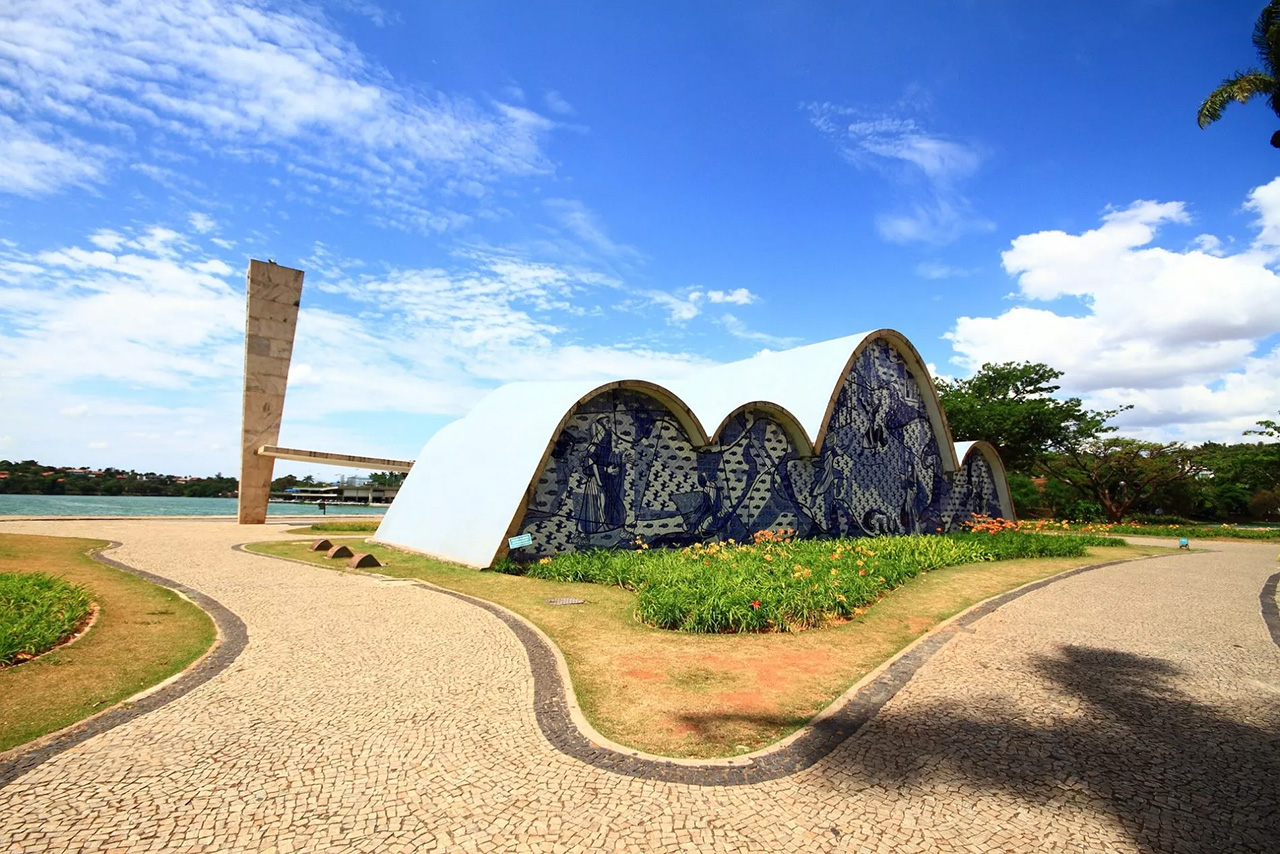
The city tour starts with a visit to Pampulha Museum, an early Oscar Niemeyer project: originally a casino until gambling was prohibited all over the country in 1946, it is now a sophisticated art museum.
In contrast, the story of Belo Horizonte is told by the Abílio Barreto Museum, an old colonial mansion (built in 1883) that is the only remaining building of “Curral Del-Rey” village, on top of which Belo Horizonte was built. On display are collections of paintings, furniture, sculptures, works of sacred art, decorative objects, documents, photographs and iconographic material.Interwoven with the history of Belo Horizonte, the Cathedral of Boa Viagem (1932) was erected on the site of a small 18th century chapel made of wattle and daub. A typical example of Minas Gerais colonial architecture, the neo-gothic Cathedral has beautiful stained-glass windows and a main altar made of Carrara marble.
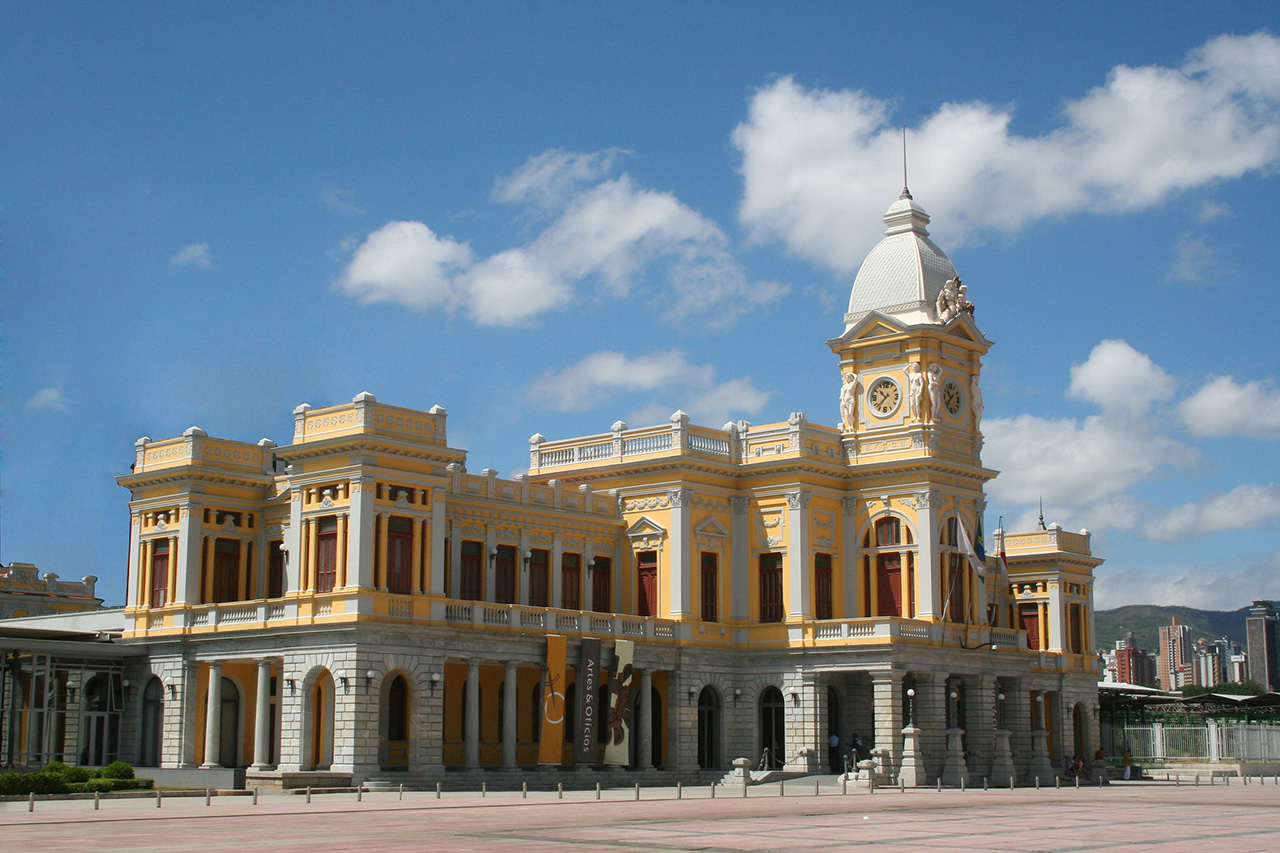
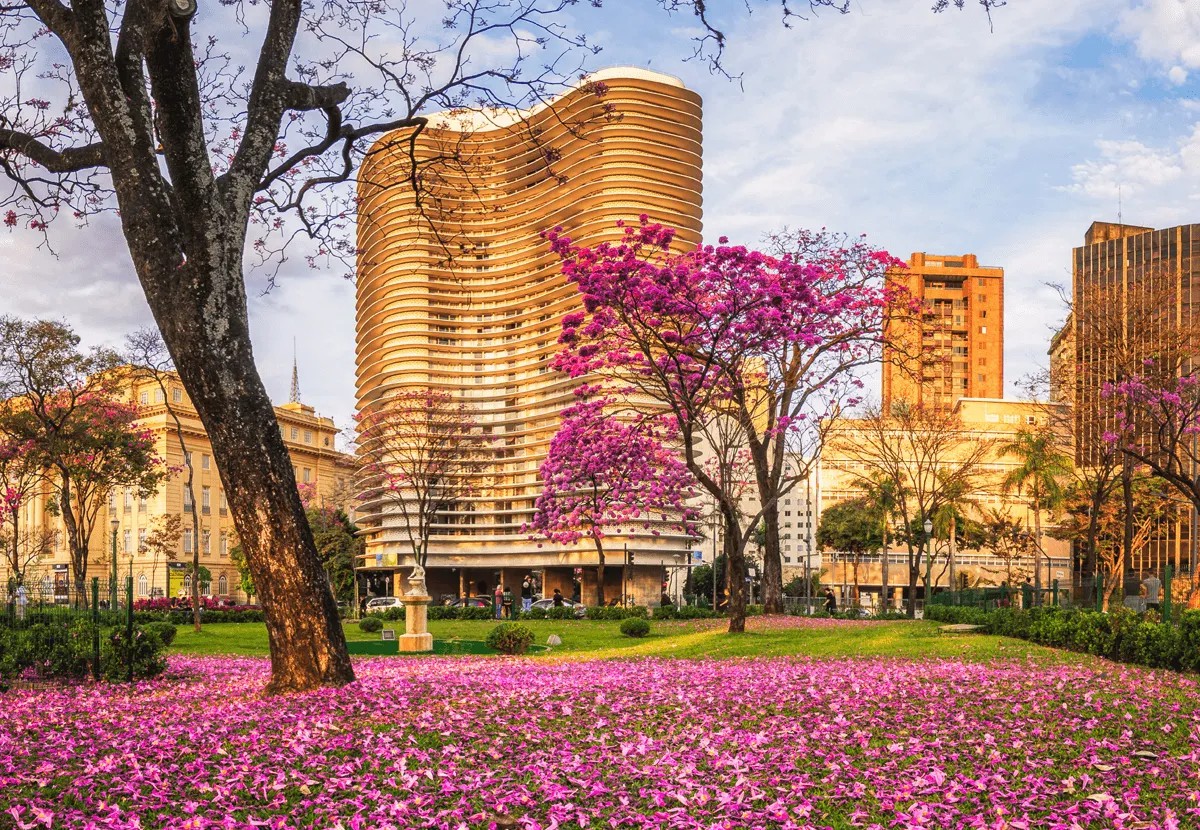
As the tour approaches Praça da Liberdade, gardens and buildings of different architectural styles can be seen. Many date back to around the time of the city’s foundation (1895-1897) and feature an eclectic style with neoclassical elements. The 1940s brought Art Deco (Palácio Cristo Rei) and the 1950s and 60s the modern Niemeyer Building and Public Library. The tour comes to an end with a visit to Pope Square and the observatory.